Innovation
The Rise of Surgical Robotics: Why the Surgeons Role Has Never Been More Important
2 min read
4 min read
In the world of cinema, robots often take centre stage as autonomous beings. Whether it is a helpful droid in a galaxy far, far away or a shape-shifting mechanical giant, pop culture has shaped our perception of machines for decades. However, when we step out of the movie theatre and into the operating theatre, the narrative changes.
There is a lot of noise surrounding robotics in orthopaedics. Rumours circulate that ‘the robot does the surgery’, or that the technology is merely a ‘cool gadget’ with limited practical value. For many surgeons and hospital administrators, it can be challenging to distinguish misconceptions about robotic use from real clinical benefits.
It is time to separate fact from fiction.
As the industry shifts from asking ‘if’ robotics works to ‘how’ it can best be integrated, we must look at the evidence. The truth is that robotic-assisted surgery is not about replacing the surgeon; it is about empowering them with data, and precision to reduce variability.
One of the most persistent myths is the idea that ‘the robot does the surgery’. This paints a picture of a surgeon stepping back while a machine takes over, making decisions and executing cuts autonomously.
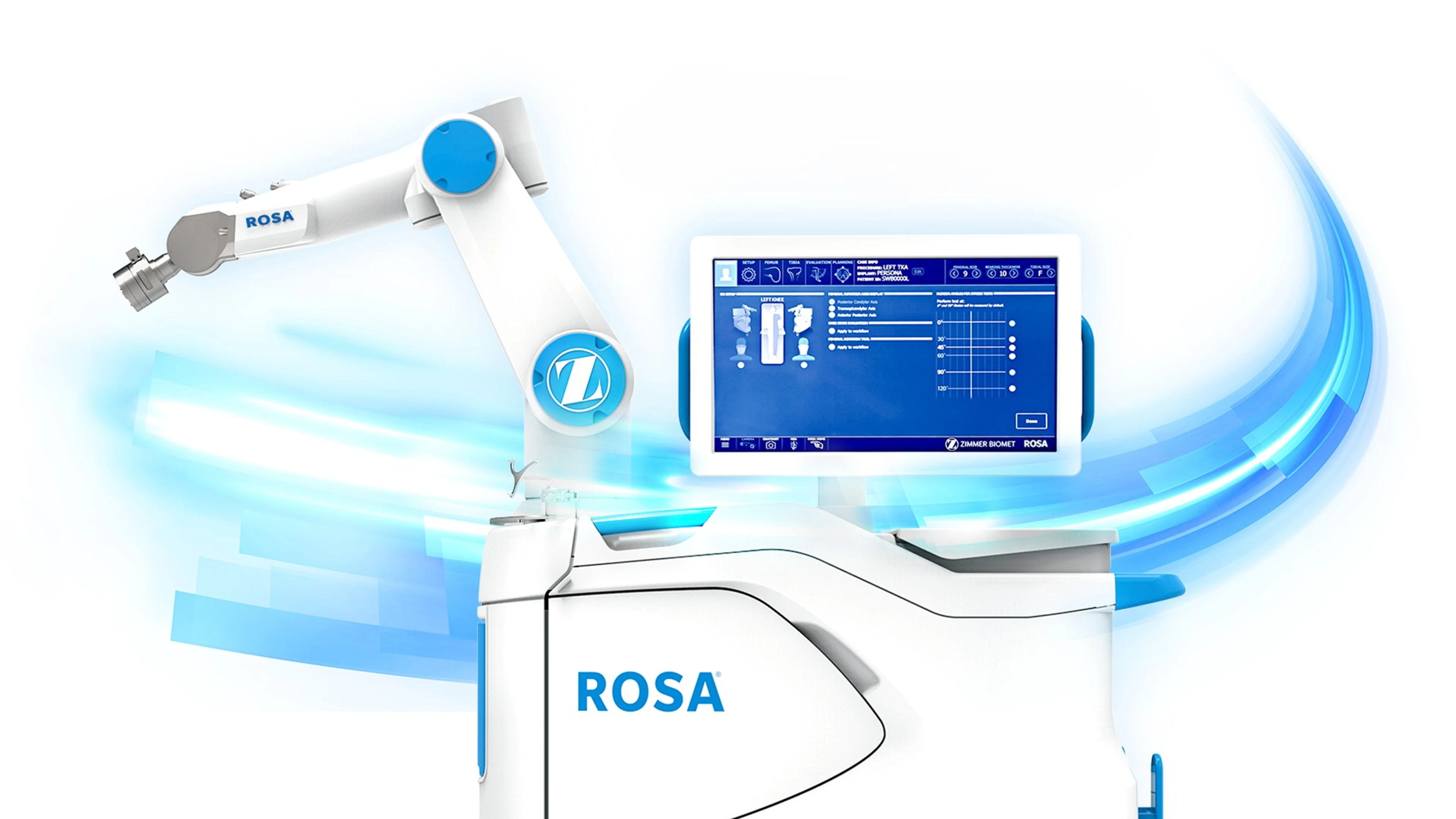
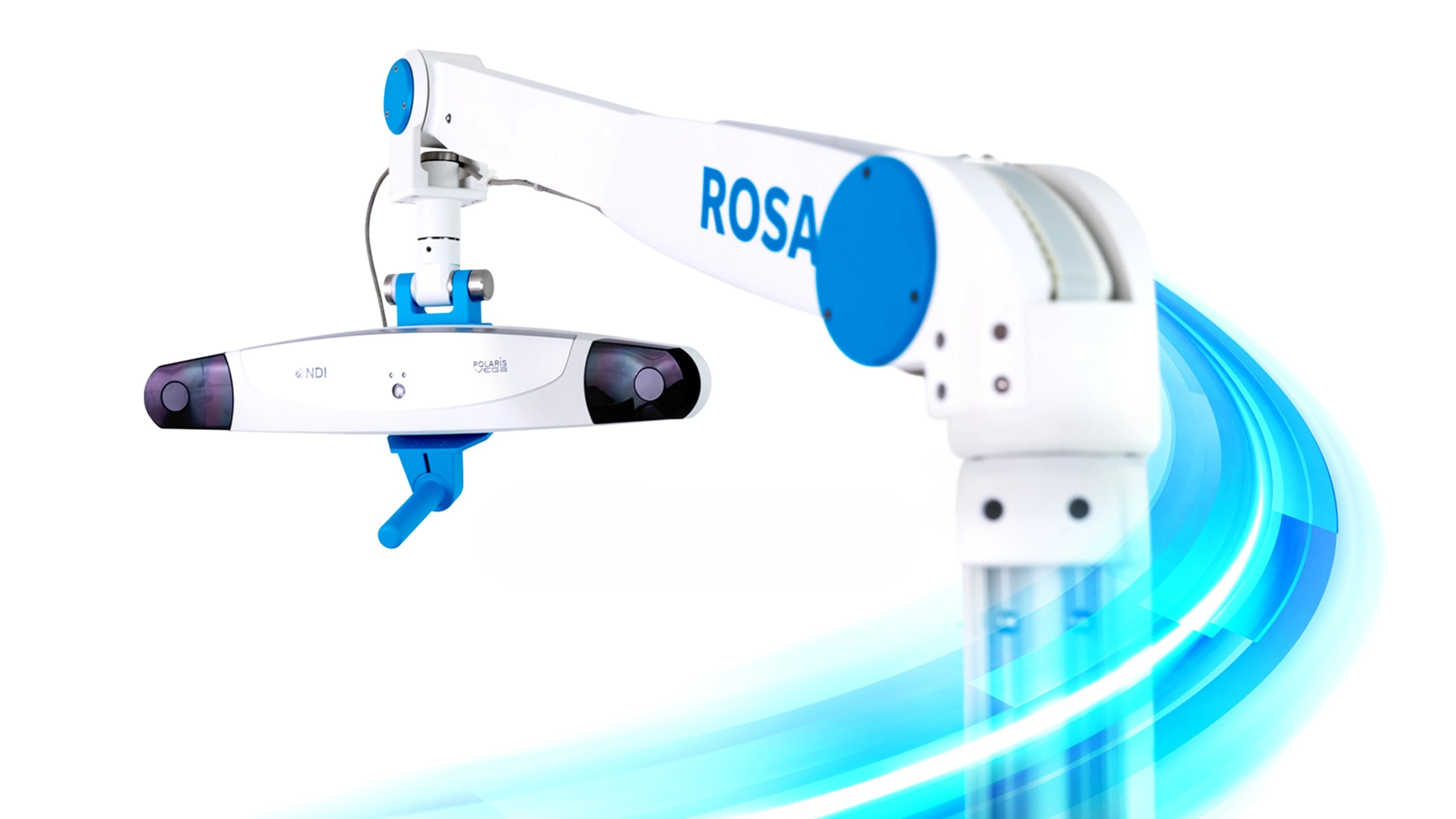
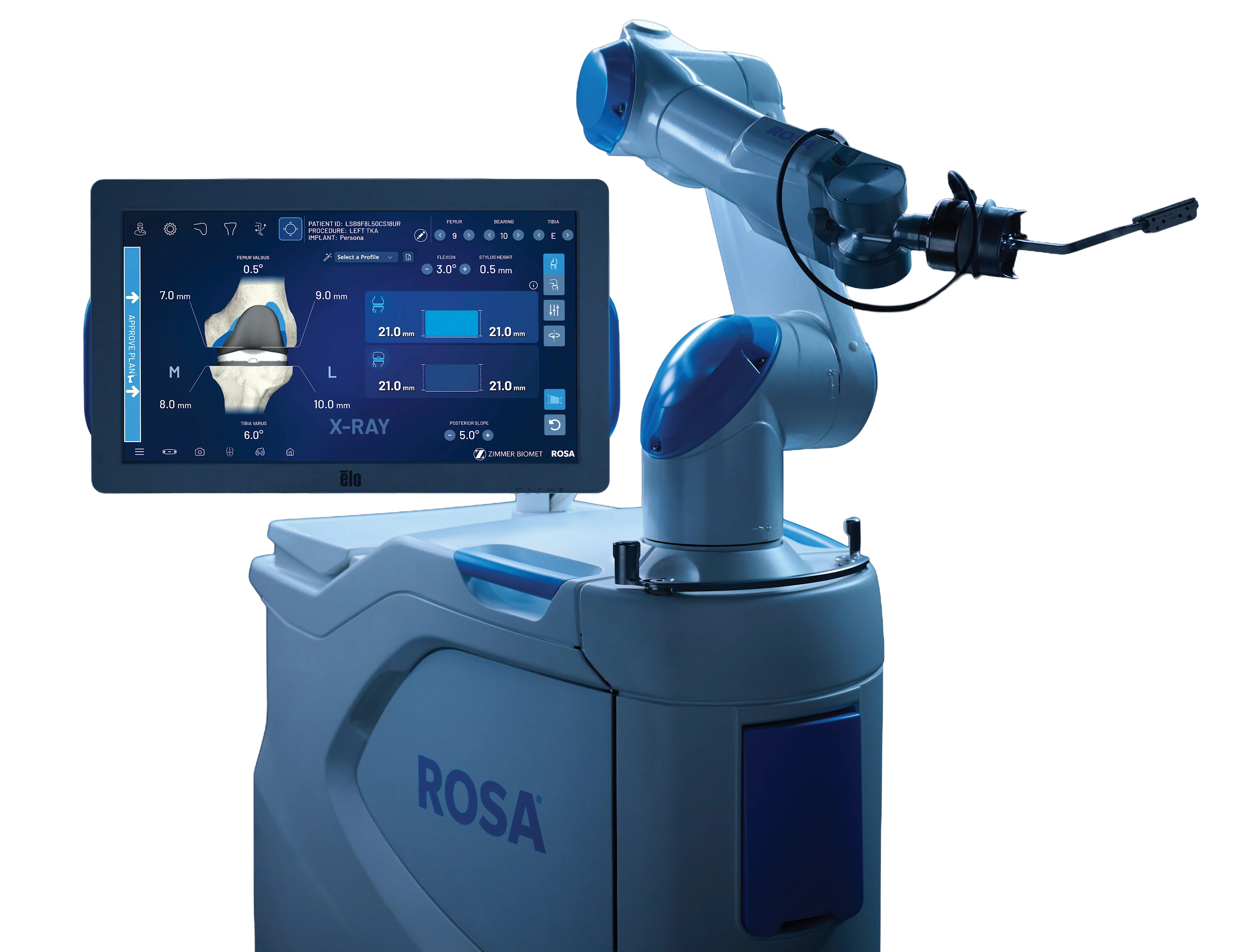
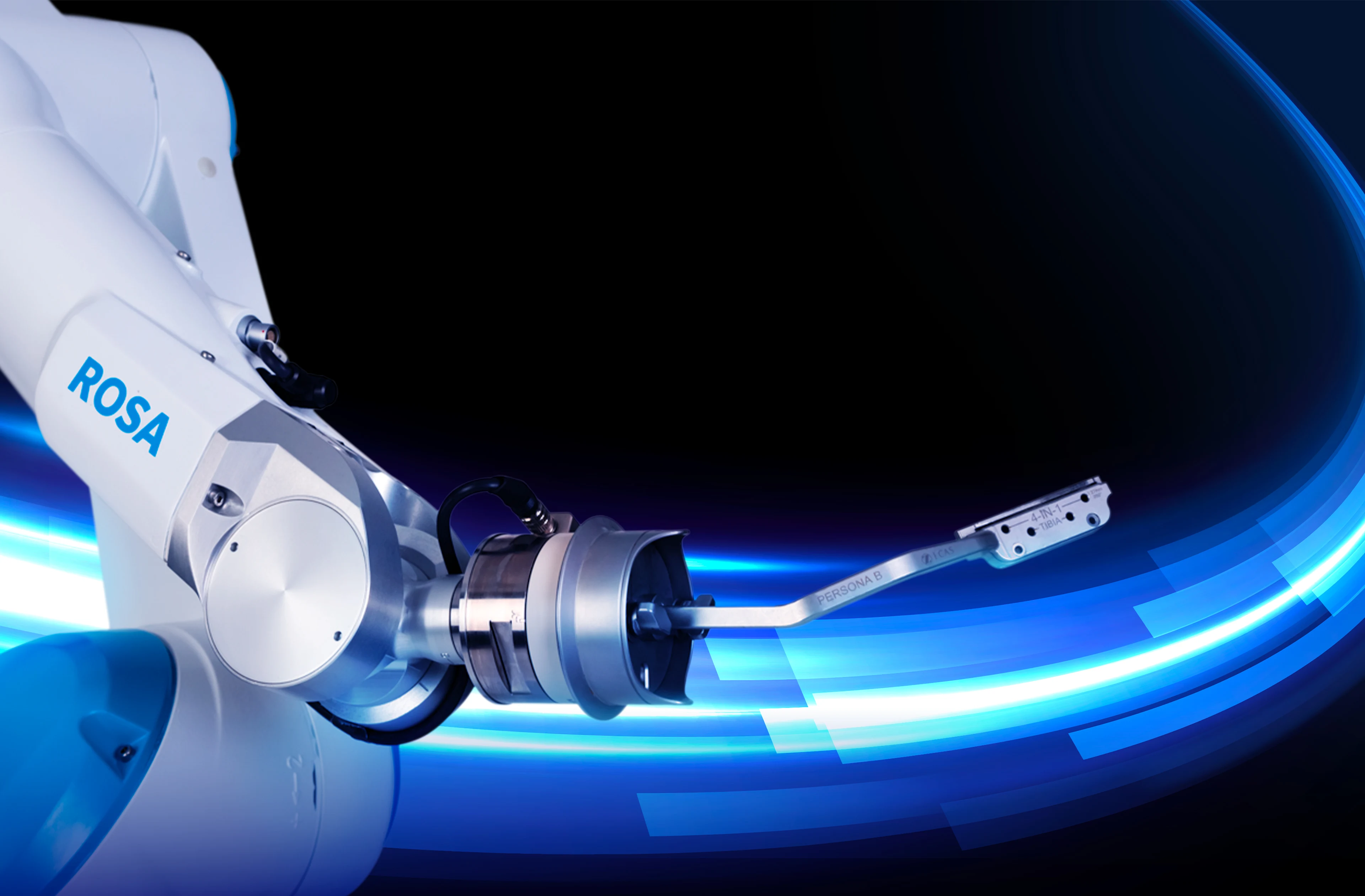
The reality is far more collaborative. With systems like ROSA® Robotics, the surgeon remains fully in control of all decisions. You plan, decide and execute. The robot does not move or act on its own; it follows your surgical plan.
Think of it as a partnership where human expertise meets digital precision. The system gives you live, intra-operative data to help you achieve accurate, reproducible alignment1,2. It is a tool designed to support your skill, not replace it. The surgeon is always in control.
Another common critique is that robotics is simply a ‘gadget’ that slows down the workflow without adding significant value. Critics might argue that manual instrumentation works perfectly well, and that introducing a robot only adds complexity and time to the procedure.
However, the capabilities of modern robotic systems go far beyond what people expect.
While new surgical techniques can involve lengthy learning curves, data suggests this may not be the case with robotics. For example, one study shows that the robotic system can be integrated relatively quickly with a rapid initial learning curve (6-11 cases) for operative times, similar 90-day complication rates, and improved component positioning compared to TKA. Once the workflow becomes familiar, efficiency improves while accuracy stays high,.
Furthermore, economic analyses associate robotic total knee arthroplasty (TKA) with a shorter length of stay and potential savings over a 90-day episode of care,. Rather than being a burden on resources, robotics can support cost effectiveness in high-volume centres by lowering post-acute costs.
Scepticism is healthy in medicine. Surgeons and administrators are right to demand solid evidence before adopting new technologies.
To this, we say: may the facts be with you.
A growing body of evidence supports robotic-assisted surgery. Peer-reviewed studies report multiple benefits, including improved early outcomes, faster recovery and better WOMAC scores,,,,,.
Regarding safety, some worry that introducing extra equipment increases the risk of infection. Yet, studies showed no increased infection risk within established operative time thresholds. Infection rates remain comparable to conventional TKA, and some cohorts even show a decrease in 90-day readmissions,.
The evidence base now includes over 50 published studies covering robotics and other solutions for the operating room. From accurate bone cuts to consistent alignment, the data supports the clinical value of robotic assistance,.
Finally, there is the belief that robotics should be reserved only for complex and difficult cases. The logic follows that if a primary knee or hip is straightforward, manual instrumentation is sufficient.
But why should precision be a luxury?
Surgical precision should be the baseline for every patient, whether the case is routine or complex. Evidence supports consistent alignment and accuracy in routine primary TKA with robotic assistance,,,,. By making precision standard practice, we aim to make reproducible results the norm rather than the exception.
The goal is to move beyond the variability of manual techniques and offer every patient the benefits of data-driven surgery. Whether it is mitigating laterality differences in total hip arthroplasty (THA) or ensuring accurate cup placement,, the value of image-guided robotic execution applies across the board.
The conversation around robotics in orthopaedics is evolving. We are moving past the myths of autonomous robots and expensive gadgets to a reality grounded in clinical evidence and tangible outcomes.
Systems like ROSA Robotics collect detailed intra-operative data during surgery, while pre- and post-operative patient-reported data is captured through the mymobility Care Management Platform. Both data streams are brought together and analysed in ZBEdge Analytics, helping to understand and connect surgical decision-making in the operating room with measurable patient outcomes. This turns data from individual procedures into a continuous cycle of learning and potential refinement.
The future of surgery is not about robots taking over. It is about surgeons using advanced tools designed to deliver the best possible care. It is about looking at the rumours, checking the evidence and realising that when it comes to precision, these is no try - only do.
Innovation

Innovation